For aging teeth with thinner enamel, you’ll get the best budget-friendly results using OTC products with 10% carbamide peroxide rather than hydrogen peroxide, which minimizes sensitivity while gradually whitening. Apply whitening strips for no more than 30 minutes, and strengthen enamel between treatments using fluoride toothpaste with a soft-bristled brush. Avoid abrasive DIY methods like baking soda-lemon mixtures that erode already-compromised enamel. Your baseline sensitivity level and specific discoloration type will determine which concentration and application method yields ideal shade improvements.
Key Takeaways
- Choose 10% carbamide peroxide formulas like Colgate Optic White Renewal to minimize sensitivity while effectively whitening aging enamel.
- Apply whitening strips with 6-10% hydrogen peroxide for maximum 30 minutes to prevent damage to thinning enamel.
- Use potassium nitrate 5% toothpaste before whitening treatments to block dentinal tubules and reduce sensitivity risks.
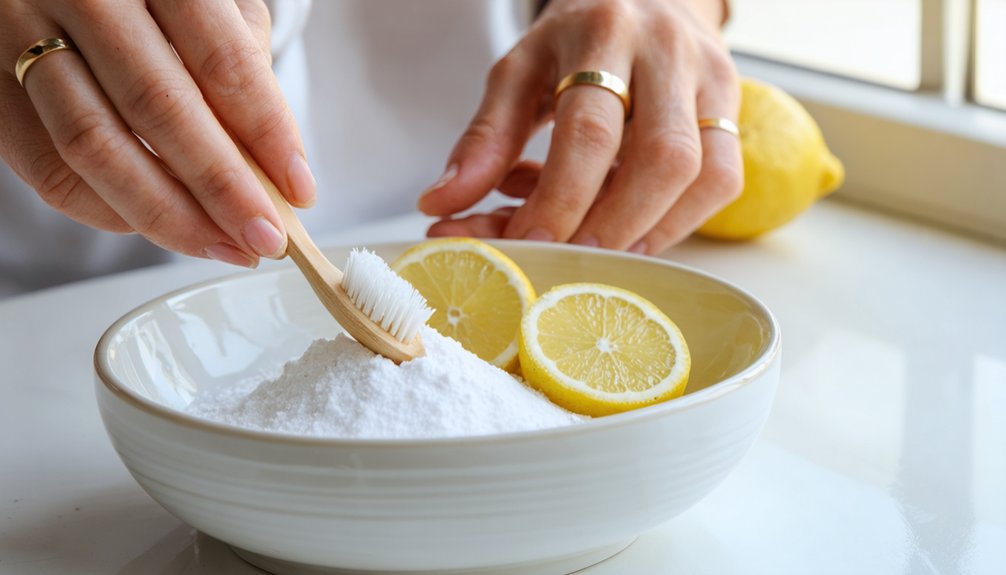
- Avoid abrasive DIY methods like baking soda-lemon or activated charcoal that erode already-thinning enamel in aging teeth.
- Strengthen remineralization with fluoride toothpaste and soft-bristled brushes to protect enamel compromised by reduced saliva production.
Understanding How Aging Affects Tooth Enamel and Discoloration
As enamel thickness decreases from age 50 onwards, the tooth’s protective outer layer becomes increasingly vulnerable to structural and aesthetic changes. By age 65, you’ll experience approximately one-third less enamel than younger teeth possessed. This reduction exposes yellowish dentin, which reflects strongly through the translucent enamel, darkening your tooth appearance.
The structural composition shifts as organic content and water decrease while density increases, paradoxically making enamel more brittle despite higher surface hardness. You’ll notice accelerated permeability loss and decreased crystal gaps. Implementing remineralization strategies becomes essential as reduced saliva production fails to neutralize acids effectively.
Structural reinforcement techniques can help counteract the microporous deterioration and embrittlement that compromise fracture resistance. Understanding these mechanisms enables you to address both the cosmetic and protective functions compromised by age-related enamel changes.
Most Effective Over-the-Counter Whitening Products for Mature Teeth
Over-the-counter whitening products containing hydrogen peroxide concentrations between 6-10% or carbamide peroxide formulations at 10-35% effectively target both surface and subsurface discoloration in mature teeth. You’ll achieve ideal results managing discoloration over time with Crest 3D White Professional Effects ($44.99) or Rembrandt 1 Week Whitening Kit, both formulated specifically for aging enamel sensitivity. These products penetrate below the tooth surface without compromising the teeth mineralization process.
For budget-conscious options, Plus White 5 Minute Kit ($11.49) delivers comparable efficacy at higher carbamide peroxide concentrations. Colgate Optic White Renewal removes 90% more surface stains than standard formulations, while their Professional Refill Pen targets deep-set discoloration. You’re controlling treatment intensity by selecting appropriate peroxide concentrations—lower percentages (6-10%) minimize sensitivity risks while maintaining whitening effectiveness for mature dental structures.
Safe DIY Whitening Methods That Won’t Damage Sensitive Enamel
When managing sensitive enamel during whitening treatments, you’ll protect dental structures by selecting products with potassium nitrate concentrations of 5% or strontium chloride formulations that block dentinal tubules while simultaneously removing discoloration.
Whitening strips designed for sensitivity contain reduced hydrogen peroxide levels (6-10%) and deliver results within 1-2 weeks when you adhere to ideal exposure duration of 30 minutes maximum.
Custom dentist-prescribed trays minimize gum contact while preserving enamel resilience through precise application of professional-strength gel for 20-minute daily sessions.
You’ll strengthen tooth surfaces by applying fluoride toothpaste between treatments and using soft-bristled brushes with gentle techniques. Avoid baking soda-lemon mixtures and activated charcoal powders that erode protective layers.
Pre-treatment fluoride varnish seals exposed dentin, preventing sharp pain during whitening procedures.
Choosing Between Hydrogen Peroxide and Carbamide Peroxide for Older Teeth
When selecting a whitening agent for aging teeth, you’ll need to balance efficacy with enamel protection. Carbamide peroxide’s gradual hydrogen peroxide release over 8 hours minimizes sensitivity spikes in older patients, while hydrogen peroxide’s 30-60 minute action delivers faster results but may stress compromised enamel.
Your choice depends on three critical factors: your baseline sensitivity threshold, whether you prioritize rapid whitening over gentler treatment, and selecting concentrations that prevent irreversible damage to age-thinned enamel.
Sensitivity Levels in Seniors
Tooth sensitivity presents a paradoxical pattern in aging populations—while gingival recession rates climb from 50% in adults aged 40-59 to 70% in those over 70, actual dentin hypersensitivity prevalence decreases in seniors 65 and older compared to younger adults. This reduction occurs through pulp atrophy and secondary dentin deposition, which naturally desensitize teeth over time.
However, you’ll face compounding risk factors: decreased saliva production increases vulnerability to whitening agents, and 68% of adults 65+ experience gum disease contributing to exposure.
Before initiating peroxide treatments, assess your baseline sensitivity. The 63.7% of seniors maintaining annual dental visits demonstrates increasing accessibility to sensitive treatments. Prioritize maintaining healthy saliva production through hydration and medication review, as this protective mechanism becomes critical when using whitening products on aging teeth.
Speed Versus Gentleness Trade-off
Although both hydrogen peroxide and carbamide peroxide ultimately deliver effective whitening outcomes, your choice between these agents requires balancing treatment duration against physiological tolerance—a calculation that shifts considerably with age-related oral changes.
Key Decision Factors:
- Speed priority: Hydrogen peroxide releases whitening power within 30-60 minutes, requiring fewer sessions for equivalent results
- Sensitivity management: Carbamide peroxide’s gradual 8-hour breakdown reduces bleaching sensitivity, particularly beneficial for aging enamel
- Cost benefit analysis: Three carbamide sessions match hydrogen peroxide efficacy with lower discomfort rates
- Application flexibility: Carbamide peroxide’s extended wear-time suits overnight protocols when proper application technique prevents gingival irritation
- Concentration requirements: 37% carbamide peroxide delivers comparable results to 35% hydrogen peroxide while minimizing immediate tissue impact
Your tolerance threshold should guide agent selection.
Concentration Safety for Aging Enamel
Your selection of whitening agent concentration directly impacts enamel integrity, particularly as age-related structural changes compromise tooth resistance to chemical challenge. High hydrogen peroxide concentrations accelerate demineralization risk, while extended exposure to lower concentrations paradoxically causes more enamel alterations than brief high-concentration treatments.
For aging teeth, 10% carbamide peroxide presents the preferable hydrogen peroxide replacement option—clinical evidence demonstrates no adverse effects over three years when following manufacturer protocols. You’ll minimize structural compromise by implementing enamel remineralization techniques between whitening sessions, including fluoride applications and calcium phosphate treatments. Professional supervision becomes critical for aging enamel management, as dentists can monitor surface changes and adjust concentrations accordingly.
Both peroxide types prove safe under proper guidance, but carbamide peroxide’s slower reactive oxygen release offers superior protection for compromised enamel architecture.
When Professional Treatments Offer Better Long-Term Value
While over-the-counter whitening products provide convenient access to cosmetic dental improvement, professional treatments demonstrate superior long-term value when cost-per-shade improvement and result durability are quantified.
Cost effective professional treatments deliver 5-8 shade improvements compared to OTC’s 1-3 shades, making the per-shade cost noticeably lower. You’ll find achieving sustainable whitening outcomes requires prescription-strength formulations for intrinsic staining that resists store-bought alternatives.
Professional options warrant investment when:
- Previous OTC attempts yielded disappointing results, indicating need for higher peroxide concentrations
- Moderate to severe discoloration requires customized treatment protocols
- Tooth sensitivity necessitates supervised whitening with protective management
- Time-sensitive events demand immediate 60-minute results rather than gradual improvement
- Endodontically treated teeth require specialized internal bleaching procedures at $300 per tooth
Dentist-prescribed take-home kits ($150-$500) provide comparable final outcomes to in-office treatments while maintaining professional oversight.
Managing Tooth Sensitivity During Whitening Treatments
Professional whitening treatments deliver dramatic aesthetic improvements, yet peroxide-induced tooth sensitivity affects 60-78% of patients during or immediately following bleaching procedures. You’ll experience reduced discomfort by implementing evidence-based protocols.
Start monitoring whitening sensitivity levels systematically—discontinue treatment if pain persists beyond 48 hours or intensifies beyond mild discomfort. Control peroxide concentration by selecting 5-6% formulations rather than higher-strength alternatives that cause excessive nerve irritation. Limiting whitening session duration prevents cumulative dentin exposure through demineralized tubules.
Apply desensitizing agents containing potassium nitrate before treatment to block neural transmission pathways. Avoid thermal extremes in foods immediately post-treatment, as dehydrated enamel transmits stimuli directly to exposed nerves. Request professional evaluation for pre-existing conditions—cavities, gum recession, or enamel erosion—that amplify bleaching reactions. These preventive measures maintain treatment efficacy while minimizing transient hypersensitivity episodes.
Top Drugstore Brands Recommended by Dental Professionals
Drugstore whitening products have evolved to bridge the efficacy gap between professional treatments and at-home maintenance protocols, with specific formulations now earning consistent endorsements from dental practitioners. Dental professional endorsements guide product performance comparisons across accessible whitening solutions:
Modern drugstore whitening formulations now deliver clinically-validated results that dental professionals confidently recommend as effective alternatives to in-office procedures.
- Crest 3D White Whitestrips: Dr. Hadaegh recommends for naturally whiter teeth, delivering 2.6-shade improvement over 19 days with zero sensitivity reports
- Zimba Strips: Dentist-designated best for sensitive teeth, utilizing hydrogen peroxide for visible results within 48 hours
- Colgate Optic White Pro Series: 5% hydrogen peroxide formulation removes decade-old staining in four weeks
- Rembrandt 1 Week Kit: Professional-backed accelerated treatment minimizing irritation
- Plus White 5-Minute Kit: Rapid-application trays at $11.49 for budget-conscious maintenance
You’ll achieve professional-grade results through evidence-based selection aligned with your specific tooth sensitivity profile.
Daily Habits to Maintain Whitening Results and Prevent Future Stains
Because whitening treatments create immediate aesthetic improvements yet require strategic maintenance protocols, your post-treatment habits directly determine result longevity and stain resistance. Implement twice-daily brushing with whitening toothpaste using soft-bristled brushes and circular motions for two minutes. Daily flossing eliminates interproximal plaque that harbors chromogens.
Rinse immediately after consuming coffee, tea, or wine, then wait 30 minutes before brushing to protect demineralized enamel, avoiding over brushing post whitening. Utilize straws for pigmented beverages to minimize tooth contact. Maintain ideal timing between meals by rinsing with water to neutralize acids and reduce biofilm formation.
Schedule biannual professional cleanings to remove calcified deposits your home routine can’t address. Alcohol-free whitening mouthwash provides supplemental stain prevention without drying oral tissues. Adequate hydration supports continuous saliva flow, your natural defense against chromogenic compounds and acid erosion.
Frequently Asked Questions
Can Whitening Treatments Damage Existing Dental Work Like Crowns or Veneers?
Fear not, good citizen—whitening treatments won’t damage your crowns or veneers. Crown compatibility and veneer compatibility with bleaching agents is excellent because their non-porous surfaces resist chemical penetration. You’ll maintain complete control over your restorations’ structural integrity throughout treatment.
How Long Should I Wait Between Whitening Treatments to Protect Enamel?
Wait 6-12 months between professional treatments and 4-6 months for at-home applications to protect enamel integrity. Avoid excessive whitening that compromises tooth structure. Schedule professional cleanings biannually to maintain results while minimizing demineralization risk.
Do Whitening Products Work on Intrinsic Stains From Medications or Fluorosis?
Whitening products show limited effectiveness for intrinsic stains removal from medications or fluorosis complications. You’ll find peroxide agents can’t penetrate deep dentin pigmentation adequately. Consider professional veneers or bonding instead, as these cosmetic alternatives provide predictable, controllable results.
Are There Age Restrictions for Using Over-The-Counter Whitening Products Safely?
Coincidentally, product safety guidelines align with dental development—you shouldn’t use over-the-counter whitening products before age 14. Whitening ingredient concerns include enamel damage and heightened sensitivity since your tooth pulp isn’t fully formed until permanent teeth mature completely.
Will Whitening Treatments Affect Receding Gums Common in Aging Teeth?
Yes, whitening treatments can worsen receding gum line concerns in aging teeth. You’ll face increased enamel sensitivity risks since exposed roots lack protective enamel. Consult your dentist first—they’ll assess your gum health and recommend safer alternatives if necessary.