The three safest ways to whiten your teeth are professional in-office treatment, dentist-made custom trays, and whitening strips or gels used as directed. Professional whitening gives you the fastest, most controlled results under direct supervision. At-home options vary in strength, so matching the method to your goal matters. You’ll also want to know which common whitening habits silently erode your enamel before you start.
Key Takeaways
- Professional dental whitening offers the safest, fastest results through supervised application of high-concentration bleaching agents with minimal risk.
- Custom dentist-made trays provide a controlled, precise at-home whitening option using regulated peroxide concentrations.
- Whitening strips and gels effectively reduce stains when used correctly, following recommended application times to avoid sensitivity.
- Whitening toothpaste safely removes surface stains and maintains brightness, making it ideal for daily preventative care.
- Avoid lemon juice, vinegar, and activated charcoal, as these damage enamel permanently without delivering reliable whitening results.
Professional Whitening: Fastest Results With the Least Risk
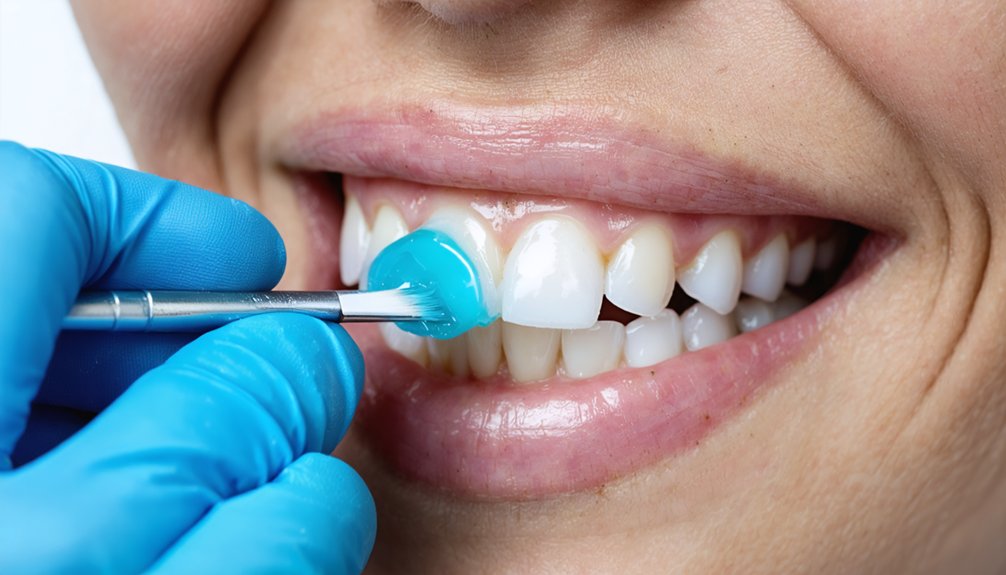
Professional in-office whitening is the strongest and fastest option available, and it’s performed under direct dental supervision to minimize risk. Your dentist applies a high-concentration bleaching agent with controlled precision, reducing your exposure to the misuse risks that come with unsupervised products.
Before treatment, a professional cleaning removes plaque and surface stains, improving both safety and results.
Your dentist also monitors for tooth sensitivity and gum irritation throughout the process, adjusting as needed to protect your oral tissues.
If you want predictable, fast results with professional oversight managing the variables, in-office whitening gives you the most control.
It costs more than at-home alternatives, but the supervised environment markedly lowers the likelihood of adverse outcomes from improper application or incorrect product concentration.
At-Home Whitening Options Ranked by Strength
When professional whitening isn’t an option, at-home methods vary considerably in how much lightening they actually deliver. Custom dentist-made trays rank highest among at-home options, offering controlled peroxide concentrations with a precise fit that reduces gum contact.
Over-the-counter options like whitening strips and gels follow closely, using peroxide-based formulas that outperform toothpaste when you follow label directions carefully. Whitening toothpaste works best for surface stains and maintenance rather than meaningful shade changes.
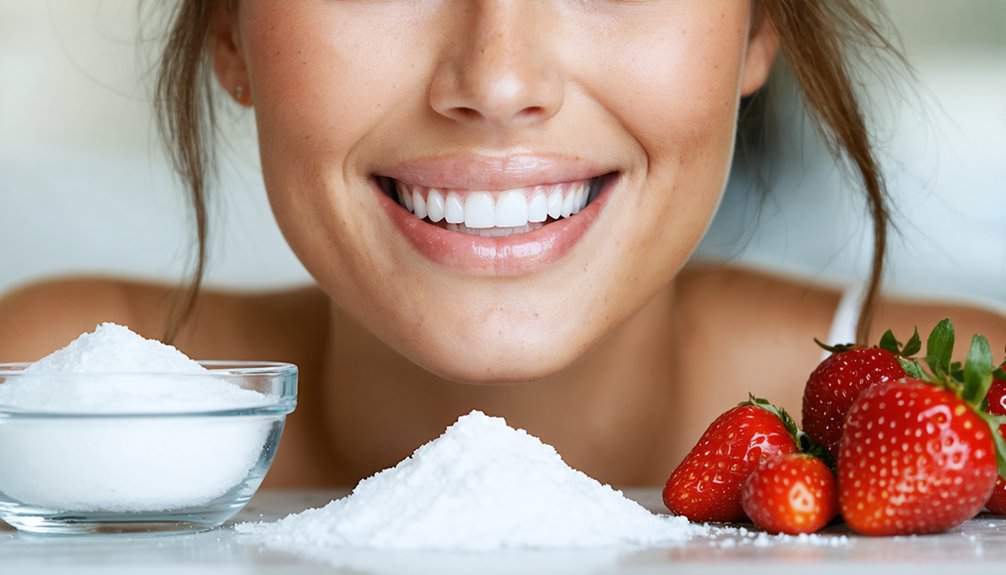
Natural remedies rank lowest in strength. Baking soda removes surface stains safely when used once weekly, while oil pulling offers gentle daily support without acid exposure.
Avoid lemon juice, vinegar, and activated charcoal — their risks outweigh any benefit. Match your method to your actual whitening goal, not convenience alone.
Whitening Mistakes That Damage Enamel
Chasing faster results often pushes people toward whitening mistakes that permanently weaken enamel. Applying undiluted hydrogen peroxide, using lemon juice, or rinsing with apple cider vinegar introduces acid wear that strips protective enamel over time.
Activated charcoal is similarly problematic due to its abrasive texture. Once enamel erodes, it doesn’t regenerate, making these shortcuts genuinely dangerous rather than merely ineffective.
You should also avoid leaving strips or peroxide gels on longer than directed. Extended contact increases gum irritation and accelerates enamel erosion without improving results.
Vinegar carries the same acid wear risk as citrus-based methods and lacks any credible whitening evidence.
Stick to dentist-approved concentrations and verified timelines. Controlling the process means resisting the pressure to improvise.
Frequently Asked Questions
How Long Do Professional Whitening Results Typically Last Before Fading?
Your professional whitening results typically last six months to two years. Whitening gel effectiveness fades faster if you consume staining foods. Consistent dental stain removal through brushing and avoiding coffee helps you maintain brighter results longer.
Can People With Sensitive Teeth Safely Use Any Whitening Products?
Like walking on thin ice, you can navigate tooth sensitivity carefully. You’ll find custom dentist-made trays with low-concentration whitening gels offer the safest option, as dental supervision helps manage irritation and minimize discomfort effectively.
Is Teeth Whitening Safe During Pregnancy or While Breastfeeding?
You should avoid whitening treatments during pregnancy or breastfeeding. Dental genetics may affect your enamel sensitivity, increasing risks. Stick to safe natural remedies like brushing and flossing until you’ve consulted your dentist postpartum.
Does Teeth Whitening Work on Crowns, Veneers, or Dental Implants?
Like painting a sealed vault, whitening won’t change your crowns, veneers, or implants—dental crown durability and veneer color matching mean they stay fixed. You’ll need replacements if you want them to match newly whitened natural teeth.
At What Age Is It Safe to Start Whitening Teeth?
You shouldn’t start whitening until your permanent teeth have fully erupted, typically around age 16–18. Before that, developing enamel increases sensitivity risks, and dental stain types affect whitening effectiveness differently, so you’ll want professional guidance first.
References
- https://newsnetwork.mayoclinic.org/discussion/mayo-clinic-q-and-a-many-safe-choices-available-to-help-whiten-teeth/
- https://www.northeastdentalarts.com/blog/what-is-the-least-damaging-way-to-whiten-your-teeth/
- https://health.clevelandclinic.org/how-to-whiten-teeth
- https://news.llu.edu/patient-care/7-dentist-approved-tips-safely-whiten-your-teeth
- https://www.healthline.com/nutrition/whiten-teeth-naturally
- https://www.healthpartners.com/blog/safe-teeth-whitening/
- https://www.webmd.com/oral-health/teeth-whitening
- https://www.medicalnewstoday.com/articles/322421
- https://www.dentalcareofmidfl.com/six-simple-ways-whiten-teeth-naturally/
- https://www.youtube.com/watch?v=qGkzrHzJUBU