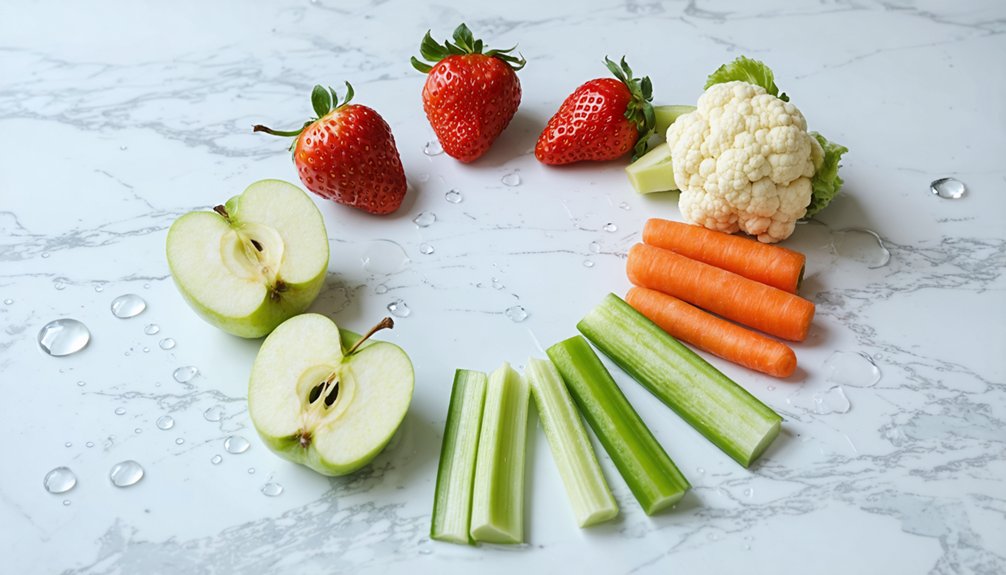
Crunchy vegetables like carrots, celery, and broccoli naturally scrub your teeth while stimulating saliva production to wash away stain-causing particles. You’ll benefit from cheese and milk, which create protective protein barriers that prevent pigments from adhering to your enamel and neutralize staining acids. Avoid tomato-based sauces and curry, as their lycopene and turmeric compounds resist whitening treatments. While certain medications like tetracycline create permanent discoloration through chemical bonding, you can minimize surface staining through strategic dietary choices that protect and brighten your smile further.
Key Takeaways
- Crunchy vegetables like apples, carrots, and celery mechanically scrub tooth surfaces while stimulating saliva production to remove medication-related stains.
- Cheese neutralizes staining acids and its casein protein binds with tannins, preventing pigment adhesion while replenishing enamel minerals.
- Milk creates a protective casein barrier that inhibits demineralization and reduces tea staining more effectively than standard toothpaste.
- Avoid tomato sauces, curry, and acidic beverages as they contain pigments that adhere tenaciously and exacerbate medication-induced discoloration.
- Papain and bromelain enzymes dissolve protein films on enamel, while glucose oxidase generates mild hydrogen peroxide for gentle whitening.
Understanding How Medications Discolor Your Teeth
Several prescription medications and oral care products can permanently alter your tooth color through distinct biological mechanisms. You’ll encounter differences between antibiotic and antihistamine related discoloration—tetracyclines bind directly to developing enamel, creating irreversible staining, while antihistamines reduce saliva production, allowing bacterial accumulation and surface discoloration.
Chlorhexidine mouthwash deposits brownish pigments on tooth surfaces, and rifampin produces characteristic orange-red staining throughout body secretions. When you understand these mechanisms, you can implement targeted interventions. While professional polishing removes surface stains from chlorhexidine and rifampin, tetracycline discoloration requires advanced whitening procedures.
Research suggests potential remineralization effects of certain foods may strengthen enamel and reduce staining susceptibility. Your medication regimen necessitates customized oral hygiene protocols and increased professional maintenance intervals to control discoloration effectively.
Crunchy Fruits and Vegetables That Naturally Scrub Away Stains
Beyond professional treatments and modified hygiene protocols, incorporating specific crunchy fruits and vegetables into your diet provides a complementary approach to managing medication-induced tooth discoloration. Apples, carrots, celery, broccoli, and cauliflower function as natural mechanical scrubbers through their fibrous textures. These foods physically polish enamel while removing surface stains and plaque during chewing.
They’re also potent saliva production boosters—increasing salivary flow that neutralizes acids and rinses away discoloring particles. Apples contain malic acid to dissolve stains, while broccoli’s iron creates a protective barrier against acid-producing bacteria. The prolonged mastication required by these vegetables maximizes their cleaning action. You’ll achieve ideal results by consuming them raw between meals, allowing their abrasive properties and salivary stimulation to work systematically against medication-related discoloration.
Dairy Products That Protect and Brighten Your Smile
Dairy products offer dual protection for medication-stained teeth through acid neutralization and enamel fortification. When you consume cheese, it actively neutralizes the staining acids produced by oral bacteria while increasing plaque calcium levels by up to 15g servings.
Milk creates a protective casein protein barrier on your tooth surfaces that inhibits demineralization and reduces tea staining more effectively than standard toothpaste.
Cheese Neutralizes Staining Acids
Your teeth face constant exposure to acids from coffee, wine, berries, and citrus—compounds that weaken enamel and accelerate medication-related staining. Cheese provides scientifically-backed protection through multiple mechanisms that actively combat discoloration.
The acid neutralizing properties of cheese restore oral pH balance after consuming staining substances. Cheddar cheese specifically counteracts dietary acids while the natural sponge-like texture of cheese physically removes pigmented particles from tooth surfaces.
Four Ways Cheese Protects Against Stains:
- Casein protein binds with tannins from tea and wine, preventing their adhesion to enamel
- Calcium and phosphorus replenish minerals stripped away by acidic foods
- Increased saliva production washes away staining compounds naturally
- Protective barrier formation when consumed alongside pigmented foods reduces staining impact
Incorporate cheese strategically during meals containing known staining agents for maximum protection.
Milk Creates Protective Barrier
The milk protein based anti staining effects extend beyond surface protection. Proteose-peptone fractions adsorb strongly to enamel, creating a defense layer that resists acid demineralization more effectively than minerals alone.
Meanwhile, calcium and phosphate actively repair existing damage through remineralization, while lactose ferments slower than other sugars, maintaining stable pH levels that preserve your enamel’s integrity and natural brightness.
Foods to Avoid When Managing Medication-Related Discoloration
When you’re already managing medication-related tooth discoloration, certain foods can intensify staining by compounding pigment deposits on compromised enamel. Highly pigmented beverages like coffee, tea, and red wine contain chromogens that adhere to porous surfaces, while acidic foods such as tomato-based sauces and citrus products erode protective enamel layers, making teeth more vulnerable to deeper discoloration.
Dark condiments including soy sauce and balsamic vinegar introduce additional pigments that penetrate weakened enamel, creating a cumulative staining effect that’s more difficult to reverse than medication stains alone.
Highly Pigmented Beverages Worsen Stains
While certain medications inevitably discolor teeth through intrinsic staining mechanisms, your dietary choices—particularly beverage consumption—can markedly accelerate and intensify this discoloration.
Highly pigmented beverages compound medication-related staining through multiple pathways:
- Coffee and tea drive polyphenol accumulation on enamel surfaces, with tannins binding chromogenic compounds that adhere aggressively to already-compromised tooth structures.
- Red wine combines anthocyanin pigments with acidic pH sensitivity, eroding protective enamel layers while simultaneously depositing dark chromogens.
- Cola and dark sodas weaken enamel through acid erosion, creating porous surfaces that trap caramel coloring and artificial pigments.
- Dark fruit juices deliver concentrated natural chromogens that penetrate vulnerable enamel, particularly when medication has already altered tooth composition.
Strategic beverage elimination provides measurable stain reduction.
Acidic Foods Deepen Discoloration
Beyond pigmented beverages, acidic foods create a secondary assault on medication-stained teeth by fundamentally altering your enamel’s protective capacity. Sodas, energy drinks, and citrus fruits strip protective enamel layers, exposing yellowish dentin beneath while creating microscopic pores that trap medication-related pigments deeper within tooth structure. Each acid exposure initiates a 20-minute attack cycle, progressively weakening enamel integrity.
High sugar content worsens discoloration by fueling bacterial acid production, compounding erosion effects. Frequent acid exposure aggravates stains through continuous enamel degradation—sports drinks during exercise, vitamin gummies throughout the day, or tomato-based foods at meals all contribute. Even light-colored acidic options like white wine and clear sodas compromise enamel strength, enabling deeper penetration of existing medication stains.
Strategic avoidance requires waiting one hour post-consumption before brushing to prevent additional mechanical damage to acid-softened enamel.
Dark Sauces Compound Staining
Dark sauces create a compounding staining problem for medication-affected teeth because their chromogenic molecules penetrate micro-cracks in already compromised enamel. Your tetracycline-stained teeth already harbor intrinsic discoloration in the predentin layer, making them particularly vulnerable to external pigments that bond with exposed dentin structures.
High-risk dark sauces requiring elimination:
- Soy sauce – Contains concentrated tannins that produce caked on staining from repeated exposure
- Balsamic vinegar – Combines dark pigmentation with enamel-softening acidity
- Tomato-based sauces – Lycopene compounds adhere tenaciously to tooth surfaces
- Curry sauces – Fat-soluble turmeric pigments demonstrate exceptional resistance to whitening treatments
The gingival third shows greatest vulnerability because tetracycline molecules bind most tightly to dentin in that region, creating retention sites for sauce pigments that resist standard bleaching protocols.
Strategic Eating Habits to Minimize Tooth Staining
Everything you eat influences your teeth’s appearance, making dietary choices a critical factor in preventing medication-related staining from worsening. You’ll maximize whitening results by consuming fibrous foods like apples, carrots, and celery that provide natural scrubbing effects while removing surface stains. These crunchy vegetables mechanically clean your teeth during chewing and serve as saliva production boosters to wash away pigment-causing particles.
Time your consumption strategically by drinking dark beverages through straws and limiting exposure duration. Rinse with water immediately after consuming staining foods to neutralize acids and remove residue. You should wait 30 minutes post-meal before brushing to protect softened enamel. Incorporate calcium-rich dairy products to strengthen your enamel’s resistance to both medication stains and dietary pigments, creating an all-encompassing defense system.
Natural Enzymes and Compounds That Combat Discoloration
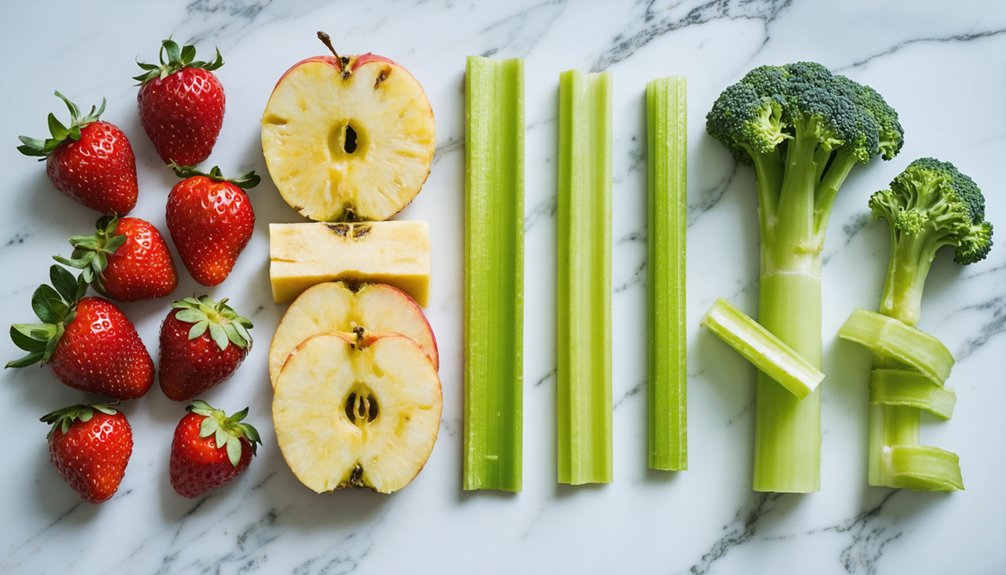
While medication-induced staining presents persistent challenges, specific natural enzymes and plant-derived compounds offer scientifically-supported mechanisms to combat discoloration at the molecular level.
Key enzymatic interventions include:
- Papain and bromelain dissolve protein films clinging to enamel, preventing stain accumulation while supporting natural whitening through surface debris removal.
- Trans-chalcone from licorice root blocks Sortase A enzyme, inhibiting Streptococcus mutans biofilm formation and reducing acid-driven decay.
- Glucose oxidase generates mild hydrogen peroxide for gentle whitening while maintaining probiotic benefits through balanced oral microbiome support.
- Lysozyme controls harmful bacterial growth contributing to discoloration when supplemented through enzyme rich mouthwash formulations.
You’ll maximize these compounds’ effectiveness by combining strategic food choices with consistent oral hygiene protocols targeting medication-related staining patterns.
Daily Oral Care Routines for Medication Users
When medications compromise your tooth enamel’s appearance, establishing a targeted oral care routine becomes your primary defense against progressive discoloration. Implement dental hygiene habits twice daily using soft-bristled brushes with fluoride toothpaste, avoiding abrasive formulas that worsen tetracycline stains. Employ gentle circular motions for two minutes, then floss before brushing to dislodge debris.
Replace your toothbrush quarterly and discontinue chlorhexidine or stannous fluoride rinses causing extrinsic stains. After consuming acidic beverages, rinse immediately with water to protect vulnerable enamel. Oral health monitoring through professional cleanings every six months removes surface medication stains, while regular exams track intrinsic discoloration progression.
For severe cases affecting 3-6% of medication users, extended bleaching protocols lasting up to twelve months deliver measurable results. Your consistent execution determines outcome effectiveness.
Frequently Asked Questions
Can I Switch Medications if Tooth Staining Becomes Severe?
You can explore medication alternatives with your physician if staining becomes severe, but dental consultation necessary first to assess whether professional cleaning resolves it. Never discontinue essential medications independently—coordinate between your doctor and dentist for safe switches.
How Long Does It Take for Food-Based Brightening to Show Results?
Food-based brightening requires consistent daily consumption over several weeks to months for visible results. This gradual brightening process won’t match professional treatments’ speed, but you’ll notice subtle improvements with disciplined dietary choices and proper oral hygiene maintenance.
Are Whitening Treatments Safe While Taking Stain-Causing Medications?
Like maneuvering parallel tracks, you can safely undergo whitening treatments while taking stain-causing medications. There aren’t significant medication interactions or concerning long-term effects, though your dentist should monitor both your tetracycline regimen and bleaching progress.
Do Children on Medications Face the Same Tooth Staining Risks?
Children face higher staining risks from certain medications, particularly tetracyclines during tooth development. You’ll need to monitor medication dosage effects carefully and maintain rigorous children’s dental hygiene practices, as developing teeth bind more readily to staining compounds than adult teeth.
Will Stopping Medication Reverse Existing Tooth Discoloration Completely?
No, stopping won’t reverse medication induced discoloration patterns—stains are permanently embedded. You’ll need professional intervention or natural brightening alternatives like crunchy vegetables and strawberries, though results remain limited for intrinsic damage already locked within your tooth structure.