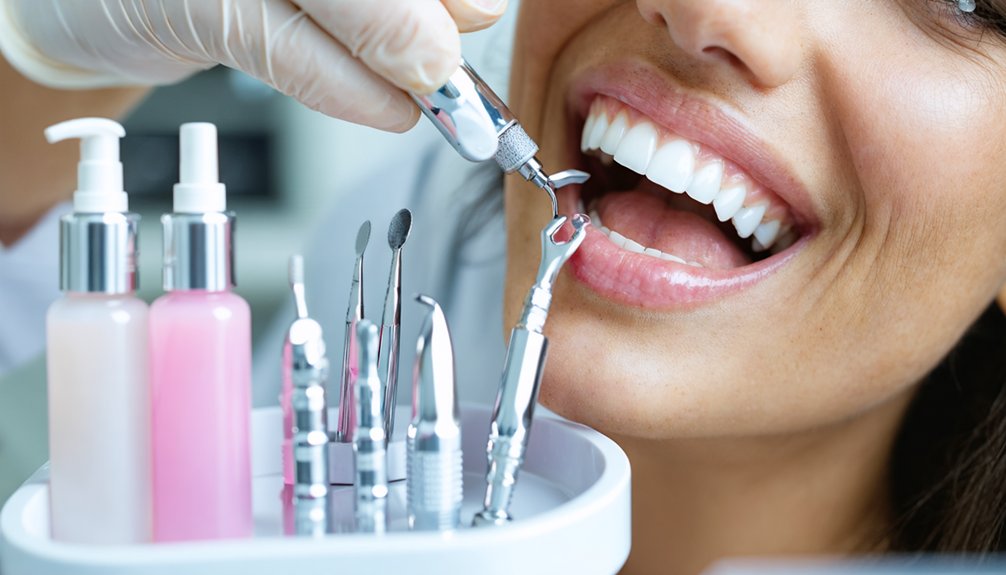
You’ll achieve clinically significant whitening by combining baking soda with hydrogen peroxide (ΔE = 9.6), which costs pennies compared to professional treatments. Whitening toothpaste containing hydrogen peroxide below 1% and silicon dioxide abrasives removes surface stains effectively when used consistently. Over-the-counter whitening strips deliver measurable results if you complete the full treatment cycle without skipping applications. Avoid apple cider vinegar and activated charcoal, as they erode enamel despite marketing claims. The following sections explain proper application techniques, evidence-based concentrations, and preventive habits that maximize your whitening investment.
Key Takeaways
- Baking soda with hydrogen peroxide achieves significant whitening results cost-effectively when applied with proper concentrations and techniques.
- Whitening toothpaste with silicon dioxide and low peroxide concentrations gradually removes surface stains through mechanical and chemical action.
- Complete full treatment cycles with FDA-approved whitening strips, maintaining recommended contact time for optimal peroxide effectiveness.
- Consume crunchy vegetables and calcium-rich dairy to mechanically scrub plaque while strengthening enamel against discoloration.
- Brush twice daily with fluoride toothpaste and schedule biannual professional cleanings to maintain natural tooth brightness affordably.
Understanding What Causes Tooth Discoloration
Tooth discoloration stems from multiple etiological factors that fall into five distinct categories: extrinsic surface stains, intrinsic developmental defects, age-related structural changes, trauma-induced alterations, and medication side effects.
You’ll encounter extrinsic stains from coffee, tea, tobacco, and chromogenic foods that adhere to dental plaque. Intrinsic discoloration presents differently—excessive fluoride during childhood produces fluorosis, while maternal drug use or tetracycline exposure before age eight causes permanent enamel defects.
Structural changes accelerate as enamel thins with age, exposing yellowish dentin beneath. Pulpal necrosis accounts for 86.8% of intrinsic cases, typically resulting from untreated trauma. Twenty-five medications contribute to discoloration, primarily anti-infectives and bone-affecting agents.
Genetic conditions like amelogenesis imperfecta compromise enamel formation. Understanding these mechanisms enables you to implement targeted prevention strategies and seek appropriate treatment interventions.
Baking Soda and Hydrogen Peroxide: A Budget-Friendly Whitening Solution
You can achieve clinically significant tooth whitening (ΔE = 9.6, p < 0.001) using hydrogen peroxide and baking soda, which work through complementary mechanisms—peroxide penetrates enamel to bleach intrinsic stains while baking soda’s abrasive properties remove surface discoloration.
This combination requires proper concentrations and application techniques to prevent chemical burns, tooth sensitivity, and enamel damage. Understanding the evidence-based preparation methods and safety parameters guarantees you’ll maximize whitening effectiveness while minimizing risks to your oral tissues.
How the Mixture Works
When combined, baking soda and hydrogen peroxide create a dual-action whitening system that addresses tooth discoloration through complementary mechanisms. The chemical reaction produces effervescence that enhances penetration of active ingredients into enamel surfaces.
Hydrogen peroxide’s oxidizing molecules break down chromogenic compounds causing intrinsic stains, while baking soda’s mild abrasivity mechanically removes extrinsic discoloration from coffee, tea, and tobacco.
You’ll achieve ideal results by controlling application frequency and concentration. Research demonstrates that 3% hydrogen peroxide combined with sodium bicarbonate delivers measurable whitening without compromising enamel integrity. The alkaline pH of baking soda (approximately 8) amplifies stain removal efficacy in this mixture.
Among home remedies, this combination stands out for evidence-based effectiveness. Studies confirm visible whitening after consistent twice-weekly application, providing you with a cost-effective alternative to professional treatments.
Safe Application Methods
While this mixture offers documented whitening benefits, proper application technique determines both efficacy and safety outcomes. You’ll create an effective paste by combining two parts baking soda with one part 3% hydrogen peroxide. Limit contact to 1-2 minutes maximum per session, applying no more than once daily.
A gradual application timeframe of two weeks prevents enamel erosion and minimizes gingival irritation. Prepare fresh mixture before each use—proper storage methods don’t apply since efficacy degrades rapidly. Rinse thoroughly immediately after application. You should discontinue use if sensitivity or tenderness develops.
For ideal safety, select products bearing the ADA Seal rather than DIY formulations. Professional consultation remains essential before initiating any at-home whitening protocol to assess individual risk factors and contraindications.
Oil Pulling With Coconut Oil for Natural Whitening
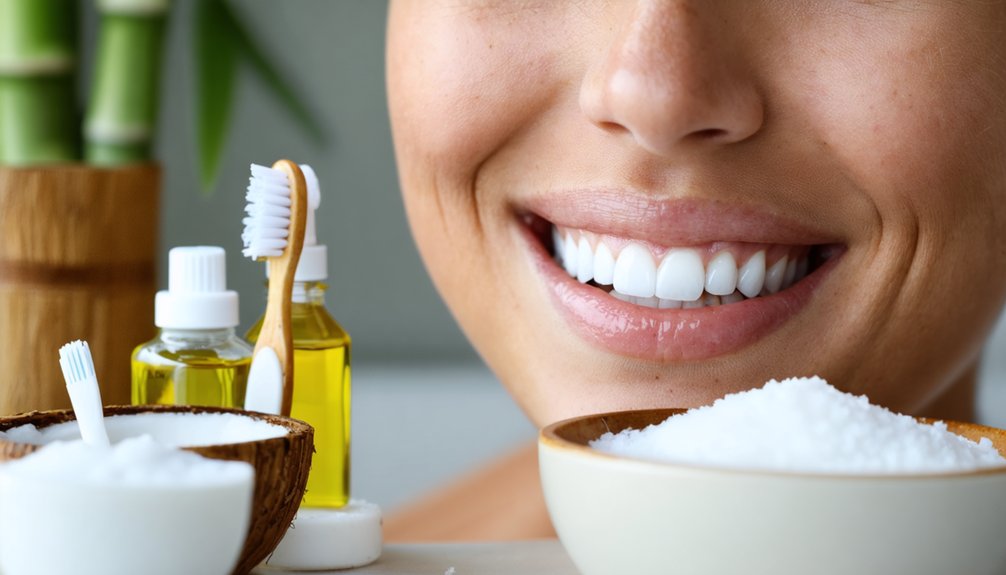
Oil pulling with coconut oil involves swishing one tablespoon of edible coconut oil through your teeth for 5-20 minutes to reduce plaque-causing bacteria like Streptococcus mutans. The lauric acid in coconut oil provides antimicrobial properties that may remove surface stains from coffee and tea, though evidence shows minimal true whitening beyond superficial cleaning effects.
You’ll need to practice this technique daily for at least two weeks to observe measurable bacterial reduction (p=0.03) and potential mild brightening results.
How Oil Pulling Works
Though ancient Ayurvedic practitioners developed oil pulling thousands of years ago, modern research reveals its mechanism centers on lipid-based bacterial removal rather than mystical detoxification. The oil composition—particularly coconut oil’s high lauric acid content—targets lipid membranes of oral bacteria like Streptococcus mutans.
As you swish oil through your teeth for 15-20 minutes, fat molecules bind to bacterial cell walls, mechanically trapping harmful microbes before you spit them out. The viscous properties create a physical barrier that inhibits plaque accumulation on tooth surfaces.
Some evidence suggests alkaline hydrolysis causes saponification, forming soap-like cleaning agents from emulsified fats. This bacteria removal process reduces total oral bacterial counts and plaque scores considerably, though no clinical studies confirm actual tooth whitening effects despite anecdotal claims.
Best Coconut Oil Techniques
Before attempting coconut oil pulling for tooth appearance improvement, you’ll need to understand that research shows modest plaque removal benefits rather than genuine whitening effects. The optimum application duration ranges from 10 to 20 minutes based on clinical studies demonstrating plaque reduction.
You should establish a daily swishing frequency using 10 milliliters of virgin coconut oil each morning before brushing. Research demonstrates that consistent application for 30 days reduces plaque scores by 68% and gingivitis by 56%. However, you must recognize that these effects result from debris removal, not enamel lightening.
For significant color change, you’ll require hydrogen peroxide or carbamide peroxide treatments. The American Dental Association hasn’t endorsed oil pulling due to insufficient evidence supporting its therapeutic claims.
The Power of Whitening Toothpaste: What Really Works
While whitening toothpastes won’t transform your smile overnight, clinical evidence demonstrates their efficacy for surface stain removal and modest shade improvement. You’ll achieve the best results by understanding what whitening ingredients actually deliver measurable outcomes:
- Silicon dioxide and mild abrasives mechanically remove surface stains through controlled polishing action without excessive enamel wear
- Hydrogen peroxide concentrations below 1% gradually lighten intrinsic discoloration with consistent daily application over several weeks
- Optical colorants manipulate light reflection to produce immediate perceptual whitening, achieving higher whiteness index differences (δWI) in color change metrics
- Nanohydroxyapatite provides short-term color modification while maintaining smooth enamel surface integrity
Expect 1-2 shade brightening over weeks as maintenance therapy. Professional treatments remain superior for deeper penetration and dramatic results.
Apple Cider Vinegar as a Gentle Whitening Agent

Despite popular social media trends promoting apple cider vinegar (ACV) for dental whitening, you should approach this remedy with considerable caution due to substantial evidence of enamel damage. While ACV’s acetic acid removes surface stains and provides antibacterial benefits, in vitro studies demonstrate it drastically decreases tooth hardness and erodes protective enamel layers. This erosion exposes underlying yellow dentin, ultimately causing discoloration rather than whitening.
The risks significantly outweigh potential benefits, as prolonged acidity exposure compromises gentle enamel protection and necessitates supplemental tooth remineralization. If you’re determined to try ACV, dilute thoroughly, limit contact time, rinse immediately with water, and consult your dentist first. However, dental professionals strongly recommend ADA-approved whitening alternatives that effectively brighten teeth without compromising structural integrity.
Eating Your Way to Whiter Teeth: Foods That Help
Your dietary choices directly impact tooth color through mechanical cleaning actions, enzymatic processes, and pH regulation in your oral cavity.
Strategic food selection can reduce surface staining while strengthening enamel through mineral deposition and acid neutralization. Understanding which foods actively promote whitening versus those that accelerate discoloration enables you to optimize your diet for both dental health and aesthetic outcomes.
Natural Whitening Food Choices
What you eat directly influences your tooth color through mechanical cleaning, enzymatic activity, and protective mineral deposition. Strategic food selection provides natural teeth staining prevention while delivering fresh breath benefits through increased saliva production and bacterial reduction.
Evidence-Based Whitening Food Categories:
- Crunchy vegetables – Carrots and celery scrub plaque through fibrous texture while cauliflower polishes surfaces. Broccoli’s iron creates protective enamel coating against acid bacteria.
- Enzymatic fruits – Apples contain malic acid dissolving stains. Pineapples feature bromelain breaking down stain proteins. Strawberries activate whitening enzymes.
- Calcium-rich dairy – Cheese delivers lactic acid and strengthening minerals. Four weekly yogurt servings reduce decay risk by binding protective proteins to enamel.
- Abrasive nuts – Almonds and walnuts mechanically exfoliate surface stains while supplying enamel-supporting calcium and minerals that shield against plaque formation.
Foods to Avoid Daily
While strategic food choices naturally support tooth whiteness, certain dietary staples work against enamel preservation through chromogenic compounds and acid exposure. You’ll want to avoid colorful sauces like tomato-based preparations, curry, and balsamic vinegar—their pigmented molecules penetrate enamel microstructures.
Skip sugary sodas entirely; their dual mechanism of acid erosion and synthetic dyes creates prime staining conditions, with each sip initiating a 20-minute acid attack. Coffee and tea tannins bind to enamel proteins, forming persistent discoloration. Red wine’s anthocyanins and polyphenols generate deep stains. Berries, despite antioxidant benefits, deposit chromogens onto tooth surfaces. Soy sauce’s dark pigmentation adheres readily. Prolonged contact—through sipping or post-meal residue—amplifies chromogenic effects.
Strategic elimination of these substances provides measurable whitening outcomes through reduced extrinsic staining and enamel demineralization prevention.
Over-the-Counter Whitening Strips: Maximizing Results on a Budget

When budget constraints limit access to professional whitening treatments, over-the-counter strips offer a clinically viable alternative for reducing extrinsic tooth discoloration. Strips containing 14% hydrogen peroxide demonstrate efficacy comparable to professional trays when you maintain proper application protocols.
Maximize your investment through these evidence-based strategies:
- Complete the full treatment cycle without skipping applications—gradual peroxide buildup determines final shade improvement
- Select FDA-approved products from reputable manufacturers with dentist-recommended concentrations
- Maintain prolonged strip contact as directed; premature removal compromises whitening potential
- Practice safe storage in cool, dry conditions to preserve peroxide stability
Expect visible results within seven days for mild-to-moderate surface stains from coffee or smoking. Post-treatment, supplement with whitening toothpaste and limit staining beverages. If sensitivity develops, incorporate desensitizing toothpaste. Results typically persist six months with proper oral hygiene maintenance.
DIY Activated Charcoal Treatments: Benefits and Precautions
Beyond commercial whitening strips, activated charcoal products have gained popularity as an economical DIY alternative, yet clinical evidence fails to support their marketed benefits. While you’ll observe temporary whitening through abrasive stain removal of surface discoloration from coffee or tobacco, this mechanism creates detrimental enamel impacts including increased surface roughness and heterogeneous crater formation.
Randomized trials demonstrate no significant whitening difference compared to regular toothpaste, and systematic reviews emphasize abrasive damage over therapeutic value.
You’re risking long-term consequences: enhanced bacterial adhesion, elevated caries susceptibility from fluoride absence, and potential restoration staining. If you choose this approach, limit application frequency strictly—never as daily toothpaste. For sustainable whitening control, consult your dentist about evidence-based alternatives that preserve enamel integrity while delivering measurable results.
Preventive Habits That Keep Teeth Naturally White
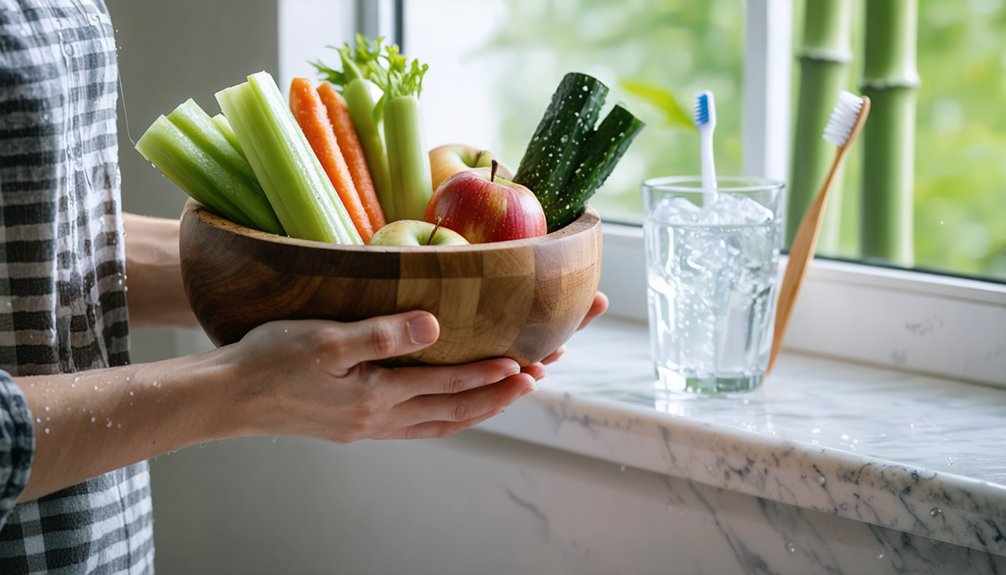
Since enamel possesses no regenerative capacity once compromised, you’ll achieve excellent whiteness through strategic prevention rather than corrective intervention. Implement these evidence-based protocols using standard dental hygiene products:
- Brush twice daily with fluoride toothpaste and floss regularly to eliminate plaque before it calcifies into tartar requiring professional stain removal techniques.
- Delay brushing 60 minutes post-consumption of acidic foods per ADA guidelines, allowing enamel remineralization to prevent erosion exposing yellow dentin.
- Limit chromogenic substances including coffee, tea, red wine, and tobacco while using straws to minimize tannin contact with anterior surfaces.
- Consume calcium-rich foods such as milk, cheese, and broccoli to fortify enamel against demineralization and subsequent discoloration.
Schedule biannual professional cleanings to maintain superb oral health and preserve natural brightness long-term.
When to Consider Professional Whitening: Cost-Effective Timing
While preventive protocols maintain baseline whiteness effectively, intrinsic discoloration and accumulated staining often require intervention beyond standard hygiene practices. You’ll maximize cost-effectiveness by understanding when to schedule whitening treatments based on your timeline and budget constraints.
Professional in-office treatments justify their $500-$650 cost when you need rapid results—achieving 5-8 shades lighter within 60 minutes. However, dentist-supervised at-home kits ($100-$600) deliver comparable final outcomes over 2-4 weeks at substantially reduced expense.
Professional whitening timelines make sense when you’re preparing for major events requiring quick transformation or when accumulated over-the-counter product purchases exceed professional treatment costs. You’ll also benefit from professional supervision that prevents sensitivity complications and guarantees proper bleaching agent concentration for your specific enamel condition, eliminating costly corrective procedures.
Frequently Asked Questions
How Long Do Teeth Whitening Results Typically Last Before Retreatment Is Needed?
Your smile’s radiance typically endures 6 months to 2 years before needing enhancement. You’ll maximize longevity through proper oral hygiene habits, periodic dental checkups, and limiting pigmented beverages. Professional treatments outlast over-the-counter options, giving you superior lasting control.
Can Teeth Whitening Cause Permanent Damage to Tooth Enamel Over Time?
Proper whitening won’t permanently damage enamel, but overuse causes enamel sensitivity and long-term discoloration risks. You’ll protect your teeth by spacing treatments appropriately, following professional guidelines, and allowing adequate recovery time between sessions to prevent progressive weakening.
Are Teeth Whitening Products Safe to Use During Pregnancy or Breastfeeding?
Most dental professionals recommend postponing whitening treatments until after delivery and breastfeeding due to teeth sensitivity concerns and insufficient safety data. You’ll maintain better oral hygiene practices by focusing on preventive care and scheduling whitening procedures post-pregnancy instead.
Why Do Some Teeth Resist Whitening Treatments More Than Others?
Your teeth’s resistance stems from genetic factors determining enamel thickness and baseline color, combined with your staining habits like coffee consumption and smoking. Intrinsic discoloration from medications or aging won’t respond to surface-level whitening treatments you’re using.
Does Dental Insurance Ever Cover Any Portion of Whitening Treatments?
Most plans won’t help, but you’re not entirely without options. Only 17% of dental plans provide any insurance coverage for professional whitening treatments, typically offering 20-50% reimbursement with specific waiting periods and annual maximum benefits.